


Services
At Taylor Made Integrative Therapy, we combine advanced chiropractic care, soft tissue techniques, and performance-based exercise to help you move better, recover faster, and perform at your best. Every treatment plan is customized to your needs—whether you’re here for pain relief, injury recovery, or to take your performance to the next level.
Chiropractic Adjustments
What it is: Chiropractic adjustments use controlled, specific force to restore proper motion to joints that aren’t moving as they should—often in the spine, but also in other areas like shoulders, hips, or ankles.
How it helps: For athletes, adjustments can reduce pain, improve range of motion, decrease stiffness, and restore efficient biomechanics. This helps with both recovery and performance—whether you’re rotating through a golf swing, sprinting, or lifting in the gym.
Possible side effects: Some patients feel mild soreness or stiffness for 24–48 hours, similar to post-workout soreness. Rarely, adjustments can aggravate underlying injuries.


Myofascial Release
What it is: A hands-on technique that targets tight muscles and fascia (connective tissue) to restore natural mobility and reduce pain.
How it helps: Breaks down adhesions, improves flexibility, and reduces stiffness—helping you move smoothly and efficiently. For athletes, this means smoother movement, less restriction, and better performance.
Side effects: Mild soreness, bruising, or fatigue that usually resolves quickly. Drinking water and gentle movement afterward can help speed recovery.
Spinal Decompression
What it is: Spinal Decompression Therapy is a non-surgical, computerized traction treatment designed to gently reduce pressure on the discs and nerves of the spine, allowing improved blood flow, hydration, and healing.
How it helps: Helps conditions such as disc bulges or herniations, degenerative disc changes, sciatica, neck or low-back pain, and nerve-related symptoms like tingling or numbness. Many patients experience decreased pain, improved mobility, and better overall spinal function over a series of treatments.
Side effects: Some patients may experience muscle soreness, stiffness, or a feeling similar to post-workout fatigue after treatment. These effects typically resolve within 24–48 hours.


Dry Needling
What it is: Dry needling uses thin, sterile needles inserted into trigger points or dysfunctional tissue to release muscle tension, improve blood flow, and reduce pain.
How it helps: Athletes often benefit from immediate pain reduction, improved muscle activation, and faster recovery from overuse or acute injuries. It’s particularly effective for stubborn trigger points, tendon issues, and movement restrictions.
Side effects: Temporary soreness, bruising, or fatigue. Rare complications are very uncommon when performed by a trained provider.
Cupping Therapy
What it is: A recovery technique using suction cups to lift tissue, improve circulation, and release tension. Unlike massage, which compresses tissue, cupping gently pulls it up, creating space for blood flow and healing.
How it helps: Cupping can decrease tightness, promote recovery, and improve mobility. Athletes often notice reduced soreness and quicker recovery times, making it popular in both training and rehab settings.
Side effects: Temporary circular skin marks and mild tenderness that fade in a few days.


Corrective & Functional Exercises
What it is: Corrective and functional exercises are personalized movements designed to address weaknesses, imbalances, and faulty patterns that contribute to pain or injury.
How it helps: These exercises not only reduce pain but also build long-term resilience. By improving mobility, stability, and strength, athletes move more efficiently, prevent future injuries, and enhance performance on the field, course, or court.
Side effects: Minimal—may cause short-term muscle soreness if new to the movement.
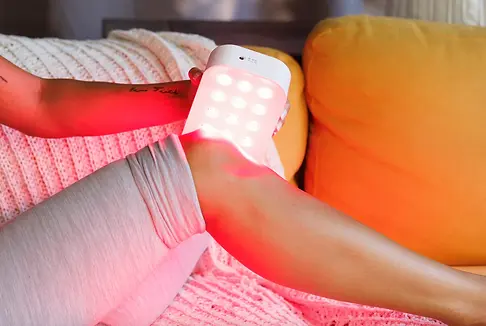
Near-Infrared & Red Light Therapy
What it is: Near-infrared (NIR) and red light therapy use low-level wavelengths of light to stimulate cellular repair, improve circulation, and reduce inflammation. Unlike UV light, this treatment is non-invasive, safe, and doesn’t damage the skin.
How it helps: For athletes and active patients, light therapy accelerates recovery by reducing muscle soreness, improving joint health, and boosting cellular energy (ATP production). It’s been shown to support healing from soft tissue injuries, reduce pain, and enhance performance by keeping tissues healthier and more resilient.
Side effects: Most patients experience no side effects. Occasionally, some may notice temporary redness, warmth, or sensitivity in the treated area. Eye protection is always provided when needed to ensure safety.

Selective Functional Movement Assessment (SFMA)
The SFMA is a movement-based diagnostic system that helps us find the root cause of pain or dysfunction. By breaking down fundamental patterns—like bending, twisting, and reaching—we can determine whether your problem comes from a mobility restriction, a stability issue, or a combination of both. Instead of just chasing symptoms, SFMA gives us a clear roadmap to treat the source and restore efficient movement.
👉 Ideal for patients dealing with recurring pain or athletes who want answers beyond a simple injury check.

Functional Movement Screen (FMS)
The FMS is a proven tool for evaluating how well you move through key patterns such as squatting, lunging, and reaching. Each movement is scored, giving us insight into imbalances, weaknesses, or mobility restrictions that may increase injury risk. By identifying these red flags before they turn into problems, we can design a corrective exercise plan that builds durability and keeps you performing at your best.
👉 Perfect for active individuals who want to prevent injuries and move more efficiently.


Titleist Performance Institute Golf Screen
The TPI Golf Screen, developed by the Titleist Performance Institute, connects your body to your swing. This screen identifies how limitations in mobility or stability may cause swing faults, reduce power, or lead to pain. Once we know what’s holding you back, we can create a tailored plan of treatment and golf-specific exercises to improve your performance and protect your body.
👉 Essential for golfers of all levels who want to play longer, hit farther, and move pain-free on the course.