
If you train in Fort Worth — whether you're a golfer chasing more distance, a CrossFit athlete grinding through a metcon, or an active adult who just wants to keep moving without pain — there's a good chance you squat. And there's an even better chance the way you're squatting is quietly working against you.
I want to show you what I mean using two short clips. Same lifter, same movement, two very different stories.
Video 1: The squat that's costing you more than it's giving you
Watch closely and you'll see three things happening at once:
- Too much forward lean. The chest dives toward the floor instead of staying tall. That puts the load onto the low back instead of through the hips and legs where it belongs.
- Hips never get below the knees. No real depth, which means we're missing the part of the squat that actually trains your glutes, hips, and hamstrings.
- The low back is doing the stabilizing. Instead of bracing through the core, the lumbar spine is white-knuckling its way through every rep.
Squat this way long enough and your body starts to adapt — but not in the way you want. The hips get tight. The pelvis and spine start to distort. The low back gets cranky. And the next time you reach for a club, a barbell, or your kid out of the car seat, your nervous system is going to default to the same broken pattern.
Video 2: The same movement, set up to actually work for you
Three simple changes:
- Heels elevated on a wedge. This opens up the ankles, lets the knees travel forward properly, and allows the torso to stay upright instead of folding forward.
- Band around the knees. That gives you something to push against, which cues your glutes to drive the knees out instead of letting them cave in.
- Weight held out in front (a goblet or plate). That counterweight forces the core to turn on. You don't have to think about bracing — the load makes you do it automatically.
Notice the difference: upright posture, real depth, knees tracking the right direction, and a torso that looks calm under load instead of fighting to stay stacked.
The bigger picture
Pain and tightness usually aren't the problem — they're the symptom. The real issue is how you're moving. When you load a body that's compensating, you're not building strength. You're building dysfunction with a heavier weight on it.
Done right, the squat should do three things for you:
- Build real strength — through the hips, glutes, and core, where it actually transfers to your sport and your life.
- Loosen your hips — yes, loaded squats with full depth and good mechanics improve hip mobility better than most stretches.
- Protect you from injury — because a body that moves well under load doesn't have to fight to stabilize itself.
At Taylor Made Integrative Therapy, this is the kind of thing we look at on every initial evaluation. We don't just want to know where it hurts — we want to know why it's getting overloaded in the first place. Adjustments and soft tissue work calm things down fast. But the lasting fix comes from changing the way you move.
If your squat — or your golf swing, deadlift, or run — feels harder than it should, let's take a look. Book your initial evaluation at Taylor Made Integrative Therapy in Fort Worth. We'll find what hurts and why, and build you a plan to fix both.
Book Your Evaluation →Prefer to talk first? Call or text (817) 523-9590 or email info [at] tmitherapy.com.
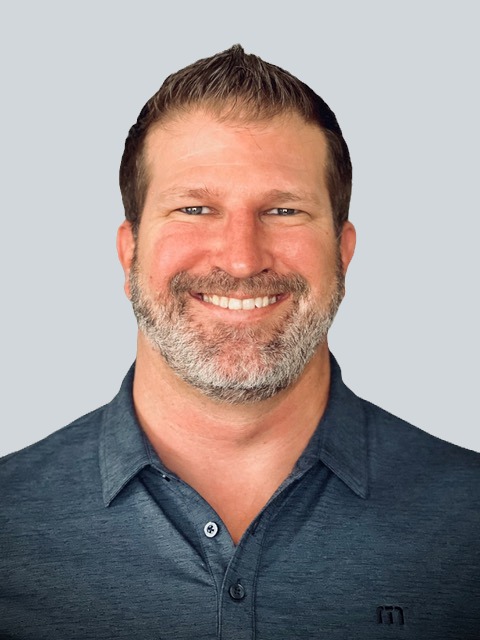
Dr. Taylor is a TPI-certified sports chiropractor at Taylor Made Integrative Therapy in Fort Worth, TX. He helps golfers, athletes, and active adults move better, feel better, and perform at their best — by fixing the movement issues underneath the pain. More about Dr. Taylor →